░█▀▀░█▀█░█▀█░█▀█░█░█░█░█░░░█░█░█▀█░▀█▀░█▀▀░█░█░▀█▀░░░▄▀▀░█░█
░▀▀█░█▀▀░█░█░█░█░█▀▄░░█░░░░█▀▄░█░█░░█░░█░█░█▀█░░█░░░░█▀▄░░▀█
░▀▀▀░▀░░░▀▀▀░▀▀▀░▀░▀░░▀░░░░▀░▀░▀░▀░▀▀▀░▀▀▀░▀░▀░░▀░░░░░▀░░░░▀
Last update - Feb 20, 2026
[ In Search of a Phone with a Privacy-based OS, Analog Killswitches, and Repairability ]
Lately I’ve become increasingly frustrated with the mainstream electronics market. Smartphones, tablets, and even many laptops now all look the same: a rectangular screen filled with apps whose primary purpose is to drive more usage, boost consumption, and harvest data.
My top priority is to find a device that doesn’t feed data to the corporate giants Meta, Google, Apple, or Microsoft (Notes on Corporate Surveillance) or to any of the Five, Nine, or Fourteen Eyes alliances. (Notes about the alliances on Wikipedia) To escape these ecosystems I’ve started exploring phones that run Murena's /e/OS, a de‑Googled version of Android that ships with its own core apps while still allowing access to the broader Android marketplace. While most of the phones I’m considering run /e/OS, I’ve also looked at FuriOS, PureOS, Linux and Graphene OS but ruled it out Graphene because it requires a Google Pixel, which is neither particularly repairable nor equipped with built‑in killswitches. I’ve also ruled out solutions such as Blackphone, Bittium, and KryptAll because they depend on ongoing subscriptions as well as trusting these individual companys' private infrustructures.
My second priority is hardware‑level privacy controls: a circuit‑based killswitch that can physically disconnect the camera, microphone, GPS, Wi‑Fi, and cellular functionalities. This is important because companies, governments, and hackers can remotely activate any a number of the features of your phone and use your GPS to find your location or intercept your calls and texts (including 2FA), turn on your camera or microphone for spying or use your wifi to detect people and their movement accurately in a space. (Notes on Snowden via The Intercept and the film Killswitch (2014) via the Internet Archive)
My third priority is repairability. I want a device that can be easily fixed, both for ecological reasons and for personal convenience, so that I can replace a cracked screen, aging battery, or faulty USB port without needing to discard the whole phone.

Source: Authorities worldwide can see more than ever, with Big Tech as their eyes
***************************************
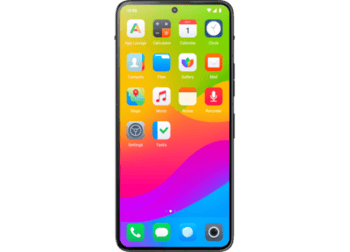
The HIROH PhoneThe HIROH ships with Murena’s /e/OS and offers hardware switches for the microphone and cameras. The downside remains that the Wi‑Fi, Bluetooth, NFC remains under the trust of a software-base controls, and there’s no information I found on repairability. hiroh.io
|
|
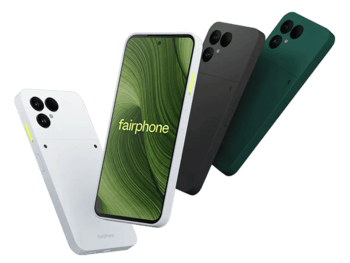
The FAIRPHONE 5 & 6The next phone I researched was the Fairphones 5 & 6 both of which also have e/OS options and are highly recognized for their repairability as well as the company's promise that the replacement parts will remain available long into the future. The downside remains that neither phone proposes a hardware-based kill switch. fairphone.com
|
|
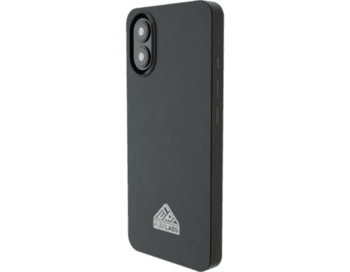
The FuriPhone FLX1sThe FuriPhone FLX1s provides hardware switches for the microphone, camera, and modem/GPS, giving it the strongest privacy rating among the list. Its OS, FuriOS, builds upon open‑source code but isn’t fully auditable from what I saw, and repairability isn’t a highlighted feature. furilabs.com
|
|
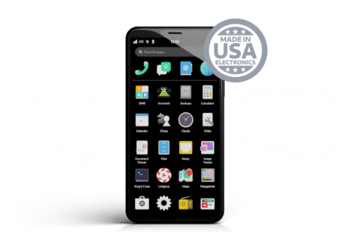
The LibertyPhonePurism’s LibertyPhone runs the privacy-focused PureOS and includes hardware switches for Wi‑Fi, Bluetooth, cameras, microphones, and cellular radios. Activating all switches also triggers a software-based “Lockdown Mode,” which also powers down GNSS, IMU, ambient‑light, and proximity sensors. The device is great on many fronts but not particularly advertised as repairable. puri.sm
|
|
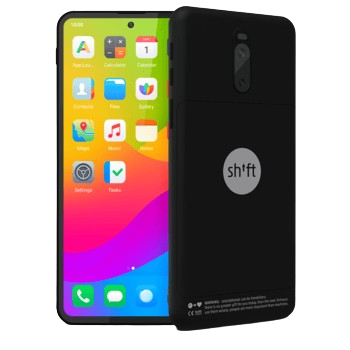
The SHIFTphone 8The SHIFTphone 8 pairs a highly repairable /e/OS platform with hardware switches for the camera and microphone, located under the battery cover and operable with a paperclip. While the switches are convenient, all other components remain software‑controlled which may be a concern depending on your threat model. The battery however, does remain easily removable if your threat model allows for such. shift.eco
|
|
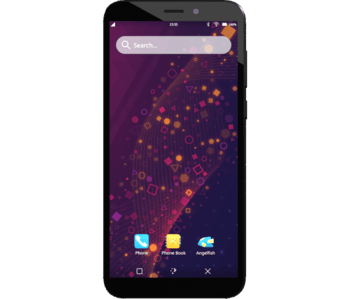
The PinePhoneThe last device I evaluated was the PinePhone from PINE64, which runs a mainline Linux OS. Although Linux isn’t marketed as a privacy‑focused platform, it meets my primary goal of avoiding the Android and iOS ecosystems. The PinePhone stands out with six hardware kill switches. Its drawback is that it demands some soldering skill, and replacement parts aren’t sold through the Pine Store, making it less “consumer‑friendly” in terms of repairability. pine64.org
|
|
|
In short, the ideal privacy‑centric phone depends on which trade‑off matters most to you. If you value easy repairs and long‑term sustainability, the SHIFTphone 8 and Fairphone Gen 5 & 6 running the /e/OS are hard to beat. For the richest set of hardware kill‑switches while still keeping a modifiable device, the PinePhone strikes a solid balance but may be a bit of a niche for some. If reparability isn’t a concern, you can consider the HIROH, FuriPhone, or LibertyPhone instead. Always keep in mind to align your choice with your personal threat model, budget, and willingness to tinker, and you’ll find a device that fits your privacy priorities. |
***************************************